
Hidden Ingredient in GLP-1 Tablets Raises New Gut Health Questions
Beyond the main ingredient, another compound plays a vital role in absorption - but most of it never reaches your bloodstream and instead moves through your gut.

STORY AT-A-GLANCE
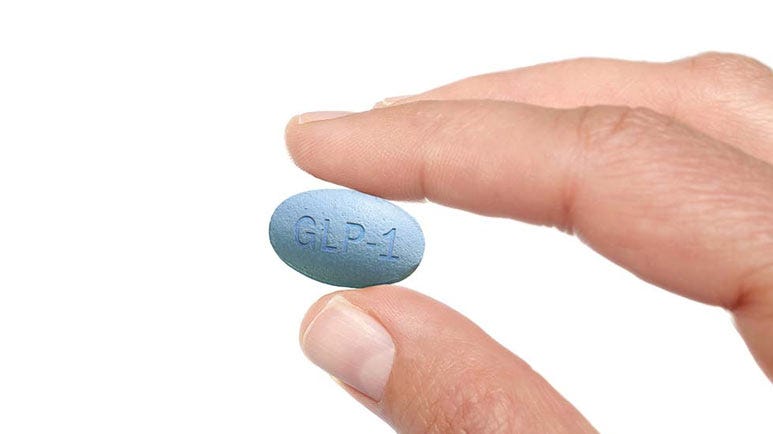
Oral versions of semaglutide rely on a chemical absorption enhancer called SNAC, and because only about 0.4% to 1% of the drug reaches the bloodstream, most of this compound travels through your digestive tract where it directly interacts with your gut microbiome
In a 21-day study using healthy rats, repeated exposure to SNAC caused major shifts in gut bacteria, reducing beneficial microbes that normally ferment carbohydrates and support metabolic health while increasing bacteria linked to inflammation
One of the most striking changes was a sharp drop in butyrate, a short-chain fatty acid produced by gut bacteria that fuels colon cells and helps maintain the protective barrier that keeps toxins and harmful microbes inside your intestine
Lower butyrate levels weakened the gut barrier, increased inflammatory signals, and were linked to changes in the gut-liver axis and an 85% drop in brain-derived neurotrophic factor, a molecule involved in brain health
Restoring gut health by rebuilding butyrate-producing bacteria — through stabilizing digestion, gradually increasing fiber, and feeding beneficial microbes — helps strengthen the intestinal barrier and supports the natural metabolic signals that regulate appetite and energy balance

A compound hidden inside certain weight-loss tablets raises serious questions about gut health. Most people recognize semaglutide through brand names such as Ozempic and Wegovy. These drugs belong to a class called GLP-1 receptor agonists — they mimic a natural gut hormone that tells your brain you’re full, slows stomach emptying, and helps regulate blood sugar.
Injectable versions deliver the drug directly under your skin, but oral formulations require a chemical absorption enhancer called salcaprozate sodium, or SNAC, so the drug can cross your stomach lining. Even with that assistance, only about 0.4% to 1% of the dose becomes available in the bloodstream.
The remaining 99% travels the full length of your digestive tract, where it washes over the trillions of microbes that ferment your food, train your immune system, and maintain the protective lining of your gut. Researchers writing in the Journal of Controlled Release report that this overlooked ingredient reshapes that ecosystem in ways that could undermine the very metabolic health these drugs claim to improve.1
What makes these findings especially striking is that your gut already contains the machinery to produce GLP-1 naturally — butyrate-producing bacteria fuel the very cells that release this appetite-regulating hormone — and the ingredient meant to deliver a synthetic version of that signal may be compromising the biological original.
GLP-1 Tablets Hidden Delivery Ingredient Reshapes Your Gut Ecosystem
For the study, researchers looked at SNAC, the ingredient that helps semaglutide tablets pass through your stomach wall and enter the bloodstream. They wanted to know what happens when this chemical moves through the digestive system day after day.
To test this, they gave healthy rats semaglutide, SNAC alone, or both together for 21 days. Afterward, they examined changes in gut bacteria, inflammation signals, and metabolic markers. The goal was to find out whether the delivery ingredient itself disrupts the gut microbiome that supports metabolic health.
Even healthy animals showed clear biological changes within a few weeks — The experiment used young, healthy rats that didn’t have diabetes or obesity. This allowed researchers to see how the compound affects the body under normal conditions.
Despite starting with healthy animals, repeated exposure to SNAC caused noticeable shifts in gut bacteria, inflammation markers, and digestive metabolism in just three weeks. This finding matters because many people take GLP-1 drugs for long periods of time to control weight or blood sugar.
Weight gain slowed mainly because the drug reduced appetite — During the first week of treatment, animals receiving semaglutide or SNAC gained less weight than untreated rats. By the end of the 21-day experiment, weight gain dropped about 7.8% in the semaglutide group and about 4.9% in the SNAC group. Researchers traced this effect to lower food intake. The drug worked by making the animals eat less, not by speeding up their metabolism.
Helpful gut bacteria and enzymes dropped sharply during treatment — Two important groups of bacteria declined significantly. Muribaculaceae fell by 53% with semaglutide and 62% with SNAC alone. Bacteroidaceae dropped by 60% and 77% respectively. These microbes normally break down complex carbohydrates and fibers that reach the lower intestine. When they do this job, they produce helpful compounds that support colon cells and help control inflammation.
Several enzymes that help break down carbohydrates also dropped significantly in the SNAC group. This means the microbial community lost some of its ability to convert complex carbohydrates into beneficial compounds that support gut and immune health.
Bacteria linked to inflammation expanded — While beneficial microbes declined, another group of bacteria called Desulfovibrionaceae increased about sevenfold in animals receiving SNAC. This bacterial family produces hydrogen sulfide — the same gas responsible for the smell of rotten eggs — which irritates the intestinal lining and erodes the protective barrier that keeps toxins sealed inside your gut.
Production of butyrate — a key gut fuel — dropped dramatically — One of the most important findings involved butyrate, a short-chain fatty acid (SCFA) made when gut bacteria ferment certain carbohydrates. SNAC lowered fecal butyrate levels by about 77%, while the semaglutide-SNAC combination lowered it by about 75%. Colon cells rely on butyrate as their main energy source. When levels fall, those cells struggle to maintain a strong gut lining.
Lower butyrate weakened the gut barrier and affected the liver. Butyrate helps colon cells maintain tight junctions — tiny seals that keep bacteria and toxins inside the intestine. When butyrate levels drop, those seals loosen and harmful substances move into the bloodstream more easily.
The study also found signs that this change affected the gut-liver connection. Blood from your intestine flows directly to your liver through the portal vein, so when the gut barrier leaks, the liver is the first organ to absorb the damage. Rats treated with SNAC showed a 12.9% increase in liver weight and a 30% drop in cecum weight — the cecum is a pouch at the start of the large intestine where gut bacteria ferment food — both signs that fermentation inside the gut had changed.
Inflammation markers increased as the microbiome shifted — Blood tests revealed higher levels of inflammatory signals after SNAC exposure. Tumor necrosis factor-alpha rose about 70% in the SNAC group, and IL-6 increased in animals receiving the combined treatment.
These molecules act like alarm signals in the immune system and often rise in metabolic conditions such as obesity and insulin resistance. The same animals also showed an 85% drop in brain-derived neurotrophic factor, or BDNF, a molecule that supports brain cell health and nerve communication. Butyrate stimulates BDNF production through signaling pathways that connect your gut to your brain — so when butyrate collapses, BDNF falls with it.
These findings are from laboratory or animal research and may not directly apply to human health.
How to Restore Gut Signaling So Your Body Produces Its Own GLP-1
If you’re taking oral semaglutide, these findings deserve your attention — because the very ingredient that delivers the drug may be disrupting the microbial machinery your body uses to produce GLP-1 on its own. That means the pill could be quietly deepening your dependence on it. The good news is that the system it disrupts is also the system you can rebuild.
Your gut microbes produce SCFAs, especially butyrate, which act like metabolic messengers throughout your body. Butyrate serves as the primary fuel for colon cells, including L-cells that produce GLP-1. So, your body already contains its own system that helps regulate appetite and metabolic signaling — one that relies on butyrate-supported GLP-1 release, rather than injections or pills.
However, many people produce very little butyrate because modern diets contain far less fermentable fiber than traditional diets. As a result, your gut barrier weakens, inflammatory signals rise, and the metabolic signals that regulate appetite become less stable. Rebuilding the microbial community that produces these molecules restores your body’s own appetite-regulation system — the same one these drugs were designed to replace.
Rebuild butyrate production so your gut barrier strengthens again — Your gut bacteria produce SCFAs when they ferment certain carbohydrates and fibers. Butyrate stands out as the most important one. It fuels the cells lining your colon and tightens the microscopic junctions that keep toxins inside your digestive tract.
When butyrate levels drop, your gut barrier weakens and inflammatory compounds leak into circulation. Restoring butyrate production strengthens the intestinal lining and restores metabolic signaling that influences appetite and fat metabolism. Begin by eliminating seed oils high in linoleic acid (LA), which weaken your colon’s protective lining and suffocate beneficial bacteria.
These fragile fats may make it harder for your gut cells to burn butyrate. Higher oxygen levels in the gut can suppress the bacteria you rely on for metabolic balance, and higher seed oil intake has been associated with greater hunger and inflammatory signaling. The goal is to get your LA intake below 5 grams, and ideally closer to 2 grams, daily.
To track your intake, the Seed Oil Sleuth feature in the upcoming Pax health coach platform calculates LA exposure with precision.
Stabilize your gut environment before adding large amounts of fiber — If your digestion is unstable — bloating, unpredictable bowel habits, or discomfort after meals — start by calming the microbial environment. Simpler meals and temporarily lower fermentable fiber reduce excessive fermentation and the release of endotoxins — toxic fragments from bacterial cell walls that slip through the loosened tight junctions described earlier and enter your bloodstream.
Once there, they trigger the same inflammatory cascade the study detected in SNAC-treated animals. This phase allows your intestinal lining to rebuild and creates conditions where beneficial bacteria that produce butyrate can return.
Gradually expand plant diversity to rebuild beneficial microbes — Once your digestion becomes calmer — less bloating, predictable bowel habits, and better tolerance to meals — your gut is ready for more fiber. Most adults function best with roughly 250 grams of carbohydrates daily once metabolic stability improves. The key is introducing those carbohydrates in forms your gut can tolerate.
Whole fruits and well-cooked starches such as white rice provide glucose for mitochondrial energy production without overwhelming a compromised microbiome with heavy fermentation. From there, rebuild fiber gradually. Start with root vegetables — they’re easy to digest and provide moderate fiber. Then add non-starchy vegetables. Starchy vegetables like squash and sweet potatoes come next. Beans, legumes, and minimally processed whole grains come last, and only if you tolerate them well.
Feed the microbes that specialize in producing butyrate — Resistant starch foods play an important role during this stage. Cooked-and-cooled white potatoes and green bananas feed specific bacteria that specialize in producing butyrate.
As those microbes multiply, butyrate levels tend to rise, the intestinal barrier tightens, and inflammatory compounds remain better contained inside the digestive tract. This kind of metabolic shift may help support gut integrity, lower inflammatory signaling, and improve communication between your microbiome and the rest of your body.
Activate GLP-1 naturally by restoring the gut systems drugs attempt to mimic — Your intestine already produces GLP-1, the hormone that regulates appetite and blood sugar. Drug companies attempt to replicate that signal with injections such as Ozempic and Wegovy.
In my book “Weight Loss Cure: Melt Fat Naturally With Your Own GLP-1”, I outline how you can restore the natural version of this system through diet and metabolic support. When your gut microbiome consistently produces SCFAs — especially butyrate — your body’s own appetite and metabolic signaling tend to function more reliably.
FAQs About the Hidden Ingredient in Oral Ozempic and Wegovy
Q: What hidden ingredient in oral semaglutide tablets raised concerns in this study?
A: Researchers focused on SNAC, a chemical added to oral semaglutide tablets so the drug can cross the stomach lining and enter the bloodstream. Because only about 0.4% to 1% of the drug actually reaches circulation, most of the compound continues through the digestive tract, where it interacts with the gut microbiome — the community of microbes that helps regulate digestion, immunity, and metabolic health.
Q: What did researchers discover about SNAC’s effects on gut bacteria?
A: In a 21-day experiment using healthy rats, scientists found that repeated exposure to SNAC significantly altered the gut microbiome. Beneficial bacteria that normally ferment carbohydrates and support metabolic health declined sharply, while bacteria linked to inflammation increased. These changes occurred even in animals that were otherwise healthy.
Q: Why is the drop in butyrate important for gut health?
A: Butyrate is an SCFA produced when gut bacteria ferment certain carbohydrates and fibers. It serves as the primary fuel for colon cells and helps maintain the tight junctions that keep bacteria and toxins inside the intestine. When butyrate levels drop, the intestinal barrier weakens, making it easier for harmful substances to enter the bloodstream and trigger inflammation.
Q: What other health signals changed when the microbiome shifted?
A: The study found that animals exposed to SNAC showed clear signs of increased inflammation. One immune signal called tumor necrosis factor-alpha rose by about 70%, and another called IL-6 also increased when semaglutide and SNAC were given together. At the same time, levels of BDNF — a substance that helps brain cells grow, repair themselves, and stay healthy — dropped by about 85%.
Q: How can gut health be restored after microbiome disruption?
A: Improving gut health begins with rebuilding the microbial environment that produces beneficial compounds such as butyrate. Stabilizing digestion, gradually increasing fiber-rich foods, and including resistant starch sources like cooked-and-cooled potatoes or green bananas help nourish bacteria that support the gut barrier. As the microbiome recovers, metabolic signaling that helps regulate appetite and inflammation becomes more stable.
This article is for informational purposes only and does not constitute medical advice. Consult a qualified health care provider before making changes to your health regimen.
Disclaimer: The entire contents of this website are based upon the opinions of Dr. Mercola, unless otherwise noted. Individual articles are based upon the opinions of the respective author, who retains copyright as marked.
The information on this website is not intended to replace a one-on-one relationship with a qualified health care professional and is not intended as medical advice. It is intended as a sharing of knowledge and information from the research and experience of Dr. Mercola and his community. Dr. Mercola encourages you to make your own health care decisions based upon your research and in partnership with a qualified health care professional. The subscription fee being requested is for access to the articles and information posted on this site, and is not being paid for any individual medical advice.
If you are pregnant, nursing, taking medication, or have a medical condition, consult your health care professional before using products based on this content.
Please share this!!!!!