
ADHD Medication Use Has Accelerated in Adults and Children
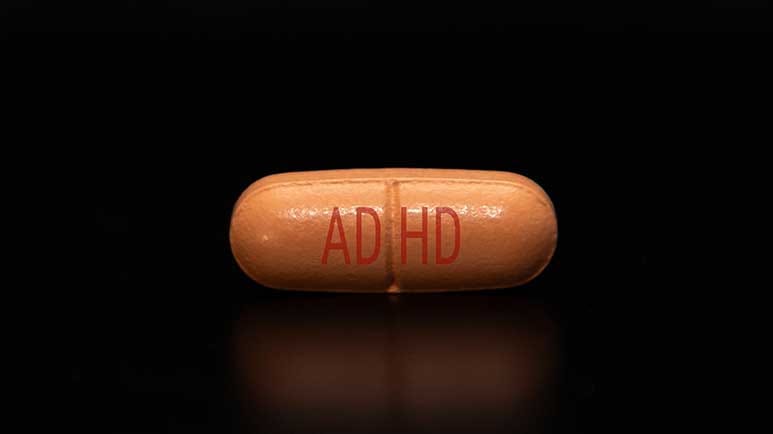
ADHD medications are being prescribed faster and to more people than ever before, including very young children.

STORY AT-A-GLANCE
ADHD medication use has risen sharply across all ages, especially among adults, signaling a major shift in how attention problems are identified and treated rather than a sudden change in human biology
As prescriptions expanded to people with milder symptoms, research shows the overall benefits of ADHD drugs declined, meaning more medication does not translate into better outcomes for the population
Many preschoolers diagnosed with ADHD now receive medication within weeks or even days, often leaving little time to address sleep, behavior, and environmental factors first
Early and rapid prescribing appears driven by system pressure, limited access to behavioral support, and time constraints in modern health care, not clear medical necessity alone
Addressing root causes such as diet, sleep disruption, lack of movement, and chemical exposure often stabilizes attention naturally, reducing reliance on medication — especially in young children

Prescriptions for attention-deficit/hyperactivity disorder (ADHD) are rising rapidly, but the numbers themselves don’t explain what’s really going on. When large segments of the population need medication to function at school, work, or home, that’s a sign something in the environment has shifted — not that human biology changed overnight.
Attention and impulse-control problems place real strain on families and daily life, especially when children struggle to focus or regulate emotions. In today’s high-pressure, screen-saturated world, medication often becomes the fastest response. It offers an immediate “solution” in systems that reward speed and productivity. But speed also carries a cost. When treatment decisions move too quickly, deeper questions about sleep, nutrition, stress, movement, and toxic exposures are often left unasked.
What’s different now is not just how many people receive an ADHD label, but how early and how automatically that label leads to medication. Diagnostic tools have expanded, care has shifted toward brief and virtual encounters, and tolerance for distraction has narrowed. Together, these changes have lowered the threshold for medical intervention while raising the risk that normal developmental or environmental struggles are being medicalized.
Recent research provides an opportunity to step back and examine whether today’s prescribing patterns reflect true medical necessity or a system that has lost the time and resources to address root causes. That distinction becomes especially important once you look at how quickly treatment decisions are made after a diagnosis — and what gets overlooked in the process.
ADHD Medication Use Increased Sharply in Adults
A study published in JAMA Network Open analyzed every stimulant prescription dispensed in Ontario, Canada, from 2015 through 2023 using the province’s Narcotics Monitoring System.1 The goal was to determine whether ADHD stimulant prescribing changed over time and which groups drove those changes.
Researchers analyzed prescription data from more than 15 million individuals between ages 5 and 105, making this one of the most comprehensive ADHD prescribing analyses available. About 3.9% of the population received at least one stimulant prescription during the study period, which highlights how common these medications have become.
New stimulant prescriptions increased by 157% overall — Prescriptions rose from 275 per 100,000 people in 2015 to 708 per 100,000 in 2023. That rate reflects how quickly medical practice changed in under a decade, not a gradual generational shift.
Growth sharply accelerated after 2020 — Before 2020, new prescriptions rose about 7% per year. After 2020, the increase jumped to nearly 30% per year. This timing aligns with rapid changes in work structure, digital media use, and virtual health care, which directly affects how attention problems get identified and labeled.
Adults drove most of the increase — The largest jumps occurred in adults ages 25 to 44 and 18 to 24. For example, new prescriptions in women ages 25 to 44 increased more than 420%, while men in the same age group saw increases of about 220%. This shift means ADHD medication is no longer primarily a pediatric issue.
Women saw faster growth than men — Across nearly all adult age groups, women experienced steeper increases in both new and ongoing stimulant use. By 2023, women ages 18 to 24 had higher rates of active prescriptions than men the same age, reversing earlier patterns.
Ongoing use also climbed steadily — Past-year stimulant use reached 2.6% of the total population by 2023, with especially high prevalence among adolescent boys and young adult women. This shows that once prescriptions begin, many people remain on these medications year after year.
The authors explicitly note that prescription data cannot confirm diagnostic accuracy or clinical appropriateness. This means the numbers show what happened, not whether every prescription was the best solution for the person receiving it.
Benefits Weaken as Prescriptions Broaden
A paper published in JAMA Psychiatry followed ADHD medication users in Sweden from 2006 through 2020 to answer a specific question: do the real-world benefits of these medications stay the same as more people start using them?2 Researchers did not look at symptom checklists. Instead, they focused on concrete outcomes that matter in daily life, such as injuries, traffic crashes, self-harm, and criminal convictions.
The study tracked 247,420 individuals ages 4 to 64 who received ADHD medications during the study period, using multiple national health and safety registers. This design allowed each person to act as their own comparison, meaning outcomes during medicated periods were compared with outcomes during nonmedicated periods for the same individual.
The size of the benefit steadily declined — As prescription rates increased across the population, the strength of protective effects dropped. For example, reductions in traffic crashes and injuries were strongest in earlier years and became smaller over time. This shows that expanding treatment changes average outcomes in a negative way.
Some outcomes weakened more than others — The decline was statistically clear for unintentional injuries, traffic crashes, and crime, while the reduction in self-harm stayed more stable over time. This pattern suggests that not all risks respond the same way when medication use spreads to broader groups.
The strongest protective associations appeared during 2006 to 2010, when fewer people received prescriptions and those treated tended to have more severe impairment. As prescribing expanded into later years, the average benefit dropped because newer users showed fewer baseline risks to begin with.
Why more prescriptions don’t mean better outcomes — The findings show that benefits from ADHD medications shrink as prescriptions extend to people with milder symptoms. Understanding this helps you weigh personal risk, expected payoff, and whether nondrug strategies deserve equal attention when attention problems surface.
Many Preschoolers Receive ADHD Drugs Right After Diagnosis
For a related study published in JAMA Network Open, researchers analyzed electronic health records from 712,478 children ages 3 to 5 across eight major U.S. pediatric health systems between 2016 and 2023.3 The researchers set out to answer a practical question that directly affects families: once a young child is labeled with ADHD, how often does medication follow, and how fast does it happen?
ADHD diagnoses were relatively uncommon, but treatment patterns were striking — Only 1.4% of children in this age group received an ADHD diagnosis at ages 4 to 5, yet once the diagnosis appeared, medication frequently followed. Of the 9,708 preschoolers diagnosed, more than two-thirds were prescribed ADHD drugs before age 7. This shows that the diagnosis itself often acts as a trigger for medication rather than a starting point for slower, skill-based support.
Many children received medication almost immediately — Among diagnosed preschoolers, 42.2% were prescribed ADHD medication within 30 days of the first documented ADHD-related diagnosis. In other words, nearly half of these children started medication within about a month of being labeled. That timeline leaves little room for structured behavior-focused strategies that guidelines recommend as first-line care for this age group.
The authors point to limited availability, time, and system barriers to nonpharmacological care as likely drivers of early prescribing. For families, this highlights a core issue: medication often fills the gap when appropriate behavioral support is hard to obtain.
Older preschoolers were medicated the fastest — Timing data showed a steep age effect. Children diagnosed at age 5 had a median time to prescription of zero days, meaning medication often started the same day the diagnosis was documented. Children diagnosed at age 4 waited a median of 28 days, while those identified at age 3 waited much longer, with a median delay of more than a year.
This pattern suggests that as children approach school age, pressure to “do something now” increases sharply. Preschoolers with documented sleep problems or disruptive behavior disorders were also more likely to receive medication quickly. From a practical standpoint, this means that untreated sleep disruption or environmental stress often accelerates drug use instead of being addressed directly first.
Medication use varied widely by system and circumstance — Prescription rates across health systems ranged from 44.1% to 74.1% of diagnosed children, indicating that clinical culture and local resources strongly influence treatment decisions. If you’re a parent, this means your child’s care pathway depends heavily on where you live and which system you enter, not just on symptoms alone.
After adjustment, White children were more likely to receive medication early than Asian, Hispanic, or Black children. Children with public insurance were more likely to start medication sooner than those with private insurance.
These differences point to system-level pressures, including access gaps and time constraints, rather than biology. Understanding this pattern gives you leverage — you can slow the process, ask about nondrug options first, and recognize that rapid prescribing is common, not inevitable.
How to Address the Drivers Behind Attention Breakdown
Attention problems — especially in children — are not a disorder that automatically needs to be overridden with medication. They often act as a signal that the nervous system is under strain. Elements of the modern environment drain energy, overstimulate the brain, and interfere with recovery. When those pressures are reduced, attention frequently improves on its own rather than needing to be forced or medicated.
Start by looking at the food environment — Highly processed foods and restaurant meals are one of the most common drivers of attention problems. These foods are loaded with industrial seed oils high in linoleic acid (LA), which disrupts how cells produce energy and keeps inflammatory signaling turned on.
When your brain runs on low energy, focus becomes fragile. Your target is less than 5 grams of LA daily, ideally under 2 grams. To track your intake, I recommend you download my Mercola Health Coach app when it’s available. It has a feature called the Seed Oil Sleuth, which monitors your LA intake to a tenth of a gram.
Moving toward simple, home-prepared foods and replacing seed oils with stable fats like grass fed butter, ghee, and tallow often leads to steadier mood, fewer emotional swings, and calmer attention in a surprisingly short time. It also helps improve gut health, another key step in resolving mental health issues.
Lower chemical and plastic exposure wherever possible — Many homes expose children to constant chemical stress through scented cleaners, air fresheners, plastics, and nonstick cookware. These compounds interfere with hormone signaling and nervous system regulation, especially in developing brains. Shifting to unscented or vinegar-based cleaners, avoiding artificial fragrances and artificial food dyes, and using glass or stainless steel for food and drinks reduces that hidden load.
When background toxicity drops, your nervous system no longer has to work as hard just to maintain balance.
Restore movement as a daily biological need — Long periods of sitting, screen exposure, and indoor overstimulation push your brain toward restlessness and impulsivity. Children are built to move, and regular outdoor play, walking, climbing, and physical activity help regulate energy, mood, and sleep.
Research shows structured exercise improves attention and emotional stability,4 and these effects are even stronger in developing brains. Consistent movement often does more to normalize focus than any pill.
Fix sleep before addressing attention — Sleep disruption is one of the strongest predictors of early medication use in young children. Late nights, irregular schedules, and excessive evening stimulation keep your nervous system locked in alert mode.
Earlier bedtimes, calmer evenings, and exposure to morning sunlight help reset circadian rhythms and deepen sleep. When sleep improves, attention during the day usually improves right along with it. Supplements like magnesium support this process, but they work best when the daily rhythm is already in place.
Avoid unnecessary medications, especially early on — Rushing into medication masks the real drivers. Multiple prescriptions also strain gut health, energy production, and detox pathways that influence brain function. In many preschoolers, medication fills the gap when behavioral support isn’t available or takes time to access.
Slowing the process and addressing environmental stressors first often leads to meaningful improvement without the need for prescriptions. Consult with a holistic physician who is experienced in treating ADHD using natural methods.
FAQs About Increases in ADHD Medications
Q: Why are ADHD medications being prescribed so much more often now?
A: Prescriptions have risen rapidly because diagnostic thresholds have lowered, care has shifted toward faster and virtual visits, and modern life places constant demands on attention. These changes encourage quick medical responses rather than slower, root-cause approaches focused on environment, sleep, nutrition, and movement.
Q: Do ADHD medications still work if more people are taking them?
A: Research shows ADHD medication benefits shrink as prescriptions expand to people with milder symptoms. In other words, broader use does not translate into better overall outcomes and exposes more people to risks without proportional benefit.
Q: Why are preschoolers being medicated so soon after diagnosis?
A: Large U.S. studies show many preschoolers receive ADHD drugs within weeks — or even days — of diagnosis. This pattern appears driven by system pressures, limited access to behavioral therapy, and urgency to address school readiness, rather than clear medical necessity.
Q: What factors commonly drive attention problems in children and adults?
A: Key drivers include poor diet high in seed oils and other additives, disrupted sleep, lack of physical activity, excessive screen exposure, and chronic chemical and plastic exposure. These factors strain energy production and nervous system regulation, making focus fragile.
Q: What steps help improve attention without medication?
A: Addressing root causes starts with improving food quality, reducing toxic exposures, restoring daily movement, and stabilizing sleep rhythms. When these foundations are corrected, attention frequently improves naturally, reducing the need for medication — especially in young children.
Disclaimer: The entire contents of this website are based upon the opinions of Dr. Mercola, unless otherwise noted. Individual articles are based upon the opinions of the respective author, who retains copyright as marked.
The information on this website is not intended to replace a one-on-one relationship with a qualified health care professional and is not intended as medical advice. It is intended as a sharing of knowledge and information from the research and experience of Dr. Mercola and his community. Dr. Mercola encourages you to make your own health care decisions based upon your research and in partnership with a qualified health care professional. The subscription fee being requested is for access to the articles and information posted on this site, and is not being paid for any individual medical advice.
If you are pregnant, nursing, taking medication, or have a medical condition, consult your health care professional before using products based on this content.