
Roundup Weedkiller Linked to Multiple Cancers
An international study has confirmed what regulators have long denied - glyphosate, the active ingredient in Roundup, triggers aggressive cancers at legally approved levels.

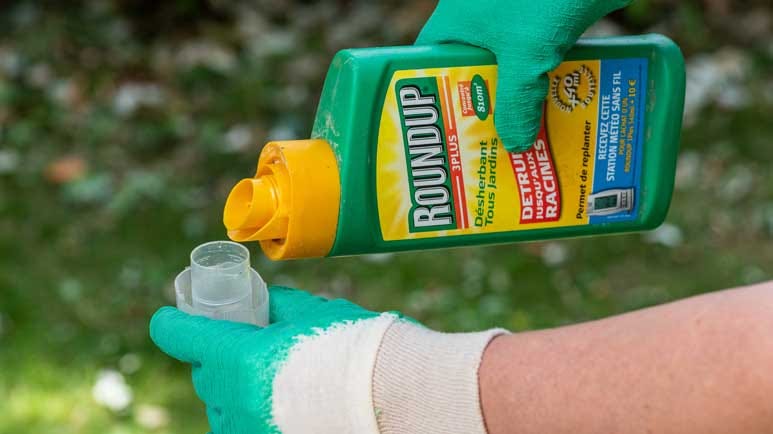
STORY AT-A-GLANCE
An international study found that lifetime exposure to glyphosate, even at doses deemed “safe,” caused multiple aggressive cancers in rats, including leukemia, thyroid tumors, and nerve sheath cancers
Tumors appeared earlier and were more widespread in rats exposed to commercial weedkiller formulations like Roundup, suggesting that so-called “inert” ingredients increase toxicity
The study revealed a dose-response relationship, meaning the more glyphosate the rats consumed, the higher their cancer risk — mirroring the kind of chronic exposure humans face through food and water
Glyphosate caused systemic DNA damage and disrupted hormones, creating ideal conditions for cancer to form and spread
You can reduce your risk by switching to organic food, including wheat and oats, avoiding Roundup-style herbicides, supporting detox and gut repair with whole foods, and using a water filter that removes glyphosate

Glyphosate is everywhere — from wheat in cereal to water flowing from your tap. Originally designed to kill weeds, this herbicide has become a mainstay in modern agriculture, sprayed on millions of acres each year. It's used not just on genetically modified (GM) crops like corn and soy, but also on conventional oats, wheat, and legumes just before harvest, meaning even non-GMO eaters are exposed. If you eat processed or packaged foods, glyphosate is almost certainly in your daily diet.
For years, the chemical has been surrounded by controversy. Lawsuits and independent reports have linked glyphosate to Non-Hodgkin lymphoma and other serious conditions, but regulators have continued to stand by its safety. Industry-funded studies argued there was no credible evidence it caused cancer. Meanwhile, everyday exposure levels kept rising, with no meaningful push to re-evaluate the risks.
But the conversation is changing. A new study, designed to mimic lifelong, real-world exposure, is shining a harsh spotlight on just how dangerous this herbicide really is.1 It’s not just about the presence of tumors — it’s about when they appear, how they spread, and the organs they strike. The research points to something far more alarming than we’ve been told. What it uncovered forces us to reconsider what “safe” exposure actually means.
Glyphosate Caused Rare, Aggressive Cancers at Legal Doses
An international study published in Environmental Health set out to answer a key question: Does lifetime exposure to glyphosate, the active ingredient in Roundup, cause cancer, even at doses considered safe by regulators?2
Scientists from the Ramazzini Institute in Italy, along with toxicology experts from multiple countries, exposed rats to glyphosate and two glyphosate-based herbicides from the moment of conception through 2 years of age. Their goal was to simulate real-world, chronic exposure across an entire lifespan, using low, mid, and high doses that mirrored what humans could encounter through diet, water, or residential use.
The study found tumors across multiple organs, some rarely seen in rats — The animals were divided into groups exposed to glyphosate alone, Roundup Bioflow, RangerPro, or no treatment at all. What the researchers discovered was both alarming and unprecedented: malignant tumors appeared in organs not typically prone to cancer in rats, such as the adrenal glands, ovaries, and nervous system.
Tumors also developed in the thyroid, liver, and blood-forming organs, with some animals developing multiple cancers at once. The study found that even the lowest dose group — matching the U.S. legal limit for glyphosate in drinking water — showed a marked increase in tumor incidence compared to untreated controls.3
Leukemia deaths occurred earlier and were more common in exposed rats — Among the most striking findings was the early onset and frequency of leukemia in glyphosate-treated animals. Leukemia is a type of cancer that affects the blood and bone marrow, and in this study, nearly half of all leukemia deaths happened before the rats reached 1 year of age, a period equivalent to early childhood in humans.
Control rats had no cases of leukemia, while treated animals developed not only leukemia but also other aggressive malignancies like malignant schwannomas (nerve sheath tumors), liver carcinomas, and adrenal gland tumors.
Glyphosate Interferes with DNA and Hormone Signaling
According to the study authors, glyphosate likely triggers cancer through multiple biological mechanisms. One major pathway is oxidative stress, meaning glyphosate causes an overproduction of damaging molecules called free radicals, which harm DNA and cellular components.4
The herbicide also disrupted endocrine function, interfering with hormones that regulate growth, metabolism, and reproductive health. These hormonal shifts fuel the growth of hormone-sensitive cancers, such as those in the thyroid and reproductive organs.
DNA damage is a key mechanism behind glyphosate-linked cancers — The research team documented DNA strand breaks in multiple tissues, indicating that glyphosate damages the body’s genetic code.
This kind of damage, if not properly repaired, sets the stage for mutations that lead to uncontrolled cell growth — i.e., tumors. The DNA damage wasn’t isolated to one organ or system; it was systemic. When DNA repair processes are overwhelmed or faulty, cancer becomes much more likely.
Commercial formulations caused more cancers than glyphosate alone — The glyphosate-only groups developed tumors, but animals exposed to Roundup Bioflow and RangerPro developed more tumors — and at higher rates. This suggests that so-called “inert” ingredients in commercial herbicides aren’t inert at all.
These additives, known as surfactants, help glyphosate penetrate plant leaves, but they likely also increase its ability to cross cell membranes in animals and humans. The researchers found that co-formulants amplified glyphosate’s toxicity, making these products more dangerous than glyphosate on its own.
Dose mattered: higher glyphosate intake meant more cancer — The study showed a clear dose-response pattern. In plain terms, the more glyphosate the rats received, the more likely they were to develop cancer. Mid and high-dose groups had significantly more malignant tumors than low-dose groups or untreated controls. Tumors also appeared earlier in higher-dose animals, shortening lifespan and increasing suffering.
How to Protect Yourself from Glyphosate and Lower Your Cancer Risk
You’re not powerless against glyphosate — far from it. Once you understand how and where this chemical shows up in your life, you can take direct action to limit your exposure and help your body recover from its effects. If you're already dealing with fatigue, hormonal imbalance, or chronic inflammation, this becomes even more important. The earlier you act, the more control you have over your long-term health outcomes.
If you’re a parent, you’ll want to pay special attention, as glyphosate harms developing organisms most severely. But even if you're just trying to protect your gut, brain, or immune system, removing this chemical from your life makes a measurable difference. Here are five ways to take action now:
Eat organic, and cut out conventional wheat, oats, and legumes — These are some of the most contaminated foods in the U.S. supply because glyphosate is used as a desiccant — a drying agent — right before harvest. If you eat a lot of pasta, cereal, or baked goods, you're likely getting a steady dose of this chemical.
Switch to organic alternatives whenever possible, or at minimum, choose non-GMO and glyphosate-tested brands. Look for third-party verified labels that test for glyphosate residue — not just “natural” claims, which often mean nothing.
Stop using Roundup or similar products around your home — If you're spraying your driveway, fence line, or garden with weedkiller, you're bringing glyphosate into your immediate environment. Pets and children are especially vulnerable. Ditch the Roundup and use alternatives like vinegar-based herbicides or mulching instead. You don’t need to expose your lungs and skin to a carcinogen just to keep dandelions down.
Support your detox pathways with glycine — To eliminate glyphosate from your body, you need to flood your system with glycine, an amino acid that competes with glyphosate for uptake and helps push it out through your urine.
Dr. Dietrich Klinghardt recommends starting with 1 teaspoon (4 grams) of glycine powder twice a day for a few weeks, then tapering down to 1/4 teaspoon (1 gram) twice daily. Glycine is inexpensive, naturally sweet-tasting, and easy to mix into water or food. For best results, take it around the time you're eating meals that contain glyphosate residue.
Rebuild your gut and lower inflammation — Glyphosate damages beneficial gut bacteria and increases intestinal permeability — what many call “leaky gut” — which weakens your immune system and sets the stage for autoimmune conditions.
Cut out inflammatory vegetable oils like canola and soy, which contain linoleic acid (LA) that harms your mitochondria. Swap vegetable oils for tallow, ghee, or grass fed butter, and focus on consuming gentle carbs, like white rice and fruit, to support the cellular energy necessary to heal your gut.
Use a water filter that removes glyphosate — If you live in an agricultural area or drink municipal tap water, there’s a good chance glyphosate is in your drinking supply. Look for filters that specifically state they remove glyphosate — not all filters do. A whole-house filtration system is best, but if you're renting or on a budget, a high-quality countertop filter is still better than nothing. Clean water is one of the easiest and most impactful places to start.
Taking these steps isn't about fear — it's about control. Making smart choices every day reduces your risk and improves how your body functions. When you reduce your toxic burden, everything works better — from your hormones to your immune system to your energy levels.
FAQs About Glyphosate and Cancer
Q: What did the new study reveal about glyphosate and cancer risk?
A: A large international study published in Environmental Health found that lifetime exposure to glyphosate, even at doses considered legal and “safe,” caused multiple types of aggressive cancers in rats.
Tumors developed in organs rarely affected by cancer in animals, including the adrenal glands, ovaries, and nervous system. Some cancers appeared early in life, and animals exposed to commercial glyphosate formulations developed more tumors than those exposed to glyphosate alone.
Q: How does glyphosate cause cancer?
A: The study found that glyphosate triggers cancer through multiple mechanisms, including DNA damage, oxidative stress (a buildup of harmful free radicals), and interfering with hormone function. These effects set the stage for mutations, tumor growth, and systemic inflammation, all of which raise your risk of developing cancer.
Q: Where is glyphosate most commonly found in food and water?
A: Glyphosate is commonly sprayed on GM crops like corn and soy, but also on non-GMO crops like wheat, oats, and legumes just before harvest. This means it's often present in everyday foods like cereal, pasta, baked goods, and hummus. It’s also been detected in drinking water, particularly in agricultural regions.
Q: What types of cancers were linked to glyphosate in the study?
A: The exposed rats developed several types of cancers, including leukemia, liver tumors, thyroid cancer, malignant nerve sheath tumors, and adrenal gland cancers. Many of these tumors appeared earlier in life and in higher numbers compared to unexposed animals. Some of the cancers occurred in multiple organs simultaneously.
Q: How do I reduce my glyphosate exposure?
A: You can take immediate steps to lower your glyphosate exposure and protect your health. Start by choosing organic wheat, oats, and legumes, as these crops are some of the most heavily contaminated. Eliminate Roundup and similar herbicides from your home and garden to avoid direct contact and airborne drift. Support your body’s detoxification process with glycine.
Rebuild and strengthen your gut by cutting out inflammatory vegetable oils. Finally, install a water filtration system that’s proven to remove glyphosate. These steps not only reduce your toxic burden but also enhance your body’s ability to heal and defend itself over time.
Disclaimer: The entire contents of this website are based upon the opinions of Dr. Mercola, unless otherwise noted. Individual articles are based upon the opinions of the respective author, who retains copyright as marked.
The information on this website is not intended to replace a one-on-one relationship with a qualified health care professional and is not intended as medical advice. It is intended as a sharing of knowledge and information from the research and experience of Dr. Mercola and his community. Dr. Mercola encourages you to make your own health care decisions based upon your research and in partnership with a qualified health care professional. The subscription fee being requested is for access to the articles and information posted on this site, and is not being paid for any individual medical advice.
If you are pregnant, nursing, taking medication, or have a medical condition, consult your health care professional before using products based on this content.
Research has revealed that 64 percent of the world's agricultural land is at risk, while 31 percent is at high risk of pesticide contamination due to widespread pesticide use. According to research published in the journal Nature Geoscience, researchers studied the use and spread of 92 pesticide active ingredients in 168 countries. The results revealed that 64 percent of the world's agricultural land was at risk of contamination by more than one pesticide active ingredient. Of that land, 31 percent was at high risk of contamination.
The study supports the call for a global strategy to transition to "sustainable agriculture and sustainable living," which involves minimal pesticide use and reduced food loss.
A recent study revealed that schools across the United States are serving genetically modified lunches containing toxins, which contribute to neurodevelopmental disorders, immune system damage, hormonal disruption, cancer, and other health conditions. 95.3 percent of which contained the carcinogenic glyphosate, and 74 percent had at least one of 29 harmful pesticides. Nine samples also contained four medications and hormones. Dr. Seneff, who has spent more than four decades as a researcher and has published more than 200 peer-reviewed scientific articles, warned that “glyphosate is far more toxic than we have been led to believe. Cancer-causing glyphosate is the most destructive chemical in our environment. One hundred percent of the school lunch samples also contained heavy metals at levels up to 6,293 times higher than the EPA’s maximum allowable levels in drinking water. Most samples were abysmally low in nutrients.
Glyphosate blocks nutrient absorption, meaning our society is literally starving itself to a slow, agonizing, premature death.
The good news is that millions of people are waking up to all this deception in the name of profit over human health. Without a doubt, it is this human awakening that is quite concerning to many people in the business and political.
https://movementdisorders.onlinelibrary.wiley.com/doi/10.1002/mds.29371 (2023).---
https://www.brighteon.com/10581357-7643-4d01-87e0-7fcc48efde26 (2023).----
https://www.naturalhealth365.com/cancer-causing-glyphosate-is-the-most-destructive-chemical-in-our-environment-mit-scientist-warns.html (2023)
Rossi's project compiled a "toxicological anthology of glyphosate" with 487 examples of evidence of its health harm. In 2020, it was updated to include more than 1,000 studies (prologue by Vanda Shiva).
https://surcosdigital.com/wp-content/uploads/2020/04/Antologia-toxicol%C3%B3gica-del-glifosato-5-ed.pdf (2020)
GMOs do not respect natural restrictions on genetic recombination, the role of time in the genesis of diversity, and the natural mechanisms that sustain it through organic evolution. The evolutionary process, like the varieties of species, is based on sexual reproduction, the recombination of genetic material, and biological and environmental mechanisms that restrict and regulate the dynamics of the genome within each generation during evolution. Recombinant DNA biotechnology, on the other hand, has broken important restrictions on the evolutionary recombination of genetic material, although we still do not understand the nature or role of many of these restrictions, which have been established by organic evolution itself.
One of the biggest problems in today's society is that a band of undesirables does not respect the code of rules necessary to respect the ecosystem and our health, wasting money on drugs for chronic diseases that are the bane of humanity. These antisocial and dehumanizing behaviors can increase in this globalized world, led by the merchants of corrupt money, the capitalist philanthropists, who pull the strings of corrupt rulers, media outlets, and researchers. Large corporations buy friends and influence people to achieve their mafia and criminal interests. Instead of promoting the American dream based on democracy, civil rights, freedom, and equality, they give way to deception, lies, and the power of corruption. This vicious cycle is formed by lobbyists working for agribusiness and pharmaceutical companies, which promote pesticides, vaccines, and other products through the rule of fear. They suppress independent research, intimidate scientists, manipulate study designs, covertly write scientific articles to cater to their needs, and selectively publish results that serve their interests. Agencies are restricted in their effectiveness, becoming part of the "revolving door" between corporate and government employment.
A report, "Poison Merchants: How Monsanto Sold the World a Toxic Pesticide," illuminates the misinformation, science denial, and manufactured doubt at the core of the pesticide industry's public relations playbook.
Focusing on the herbicide glyphosate as a case study, the report is the first comprehensive review of Monsanto's product defense strategy, including the disinformation tactics it used to manipulate science and attack scientists and journalists who raised concerns about the health and environmental risks of its flagship product, the world's most widely used herbicide.
The report also reveals astroturf operations, as well as front groups, professors, journalists, and others that Monsanto (now owned by Bayer) relied on to protect its profits from glyphosate despite decades of science linking the toxic chemical to cancer, reproductive impacts, and other serious health concerns.
“The pesticide industry is not just following in the footsteps of Big Tobacco and Big Oil, they co-wrote the playbook — from their attacks on ‘Silent Spring’ author Rachel Carson 60 years ago to the recent Monsanto-led assault on the cancer researchers of the World Health Organization,” said Stacy Malkan, lead author of the report and co-founder of U.S. Right to Know.
https://childrenshealthdefense.org/defender/monsanto-glyphosate-roundup-poison-playbook-rtk/ (2022).----